
The first-order productivity gains from AI are a strategic trap. The real competition will be won by those who see and plan for the second and third-order consequences reshaping APAC’s entire socio-economic structure.
Introduction: The Dangerous Comfort of the Obvious
Walk into any boardroom in Singapore, Tokyo, or Bangalore, and the conversation about AI is comfortably similar. It revolves around productivity. How can we use generative AI to make our coders 30% faster? How can our marketers produce double the content? How can our analysts find insights in seconds instead of days?
This is the first-order effect of AI augmentation: the obvious splash. It’s tangible, measurable, and easy to justify in an ROI spreadsheet.
But focusing here is like watching the ripples on the surface while ignoring the massive tsunami forming beneath you. This tactical focus is a strategic blind spot that will leave companies unprepared for the real, structural shifts about to hit the APAC workforce. To navigate what’s coming, you need a new lens: the Augmentation Cascade Model. This model maps the chain reaction of consequences, from the visible productivity gains to the invisible societal upheavals that will define the next decade of business in Asia-Pacific.

The First-Order Effect: The Productivity Illusion
Let’s be clear: AI will drive productivity. Tools like GitHub Copilot will accelerate software development. Platforms like Jasper will streamline content creation. AI-powered CRMs will supercharge sales cycles. This is the “what” of AI augmentation, and it’s where 95% of companies are investing their time and resources.
They are training their workforce on prompts, integrating new SaaS tools, and celebrating the efficiency gains. And they should. This is the cost of entry, the table stakes.
But mistaking this first-order effect for the endgame is the critical error. It’s a tactical victory in a war that is fundamentally strategic. The real battle isn’t about doing old tasks faster; it’s about preparing for a world where the nature of work itself has been irrevocably altered.
The Second-Order Effect: The Undercurrent of Structural Change
Once the initial wave of productivity washes over an organization, a far more powerful and dangerous undercurrent emerges. This is where the “so what” begins, and it’s defined by two simultaneous, opposing forces.
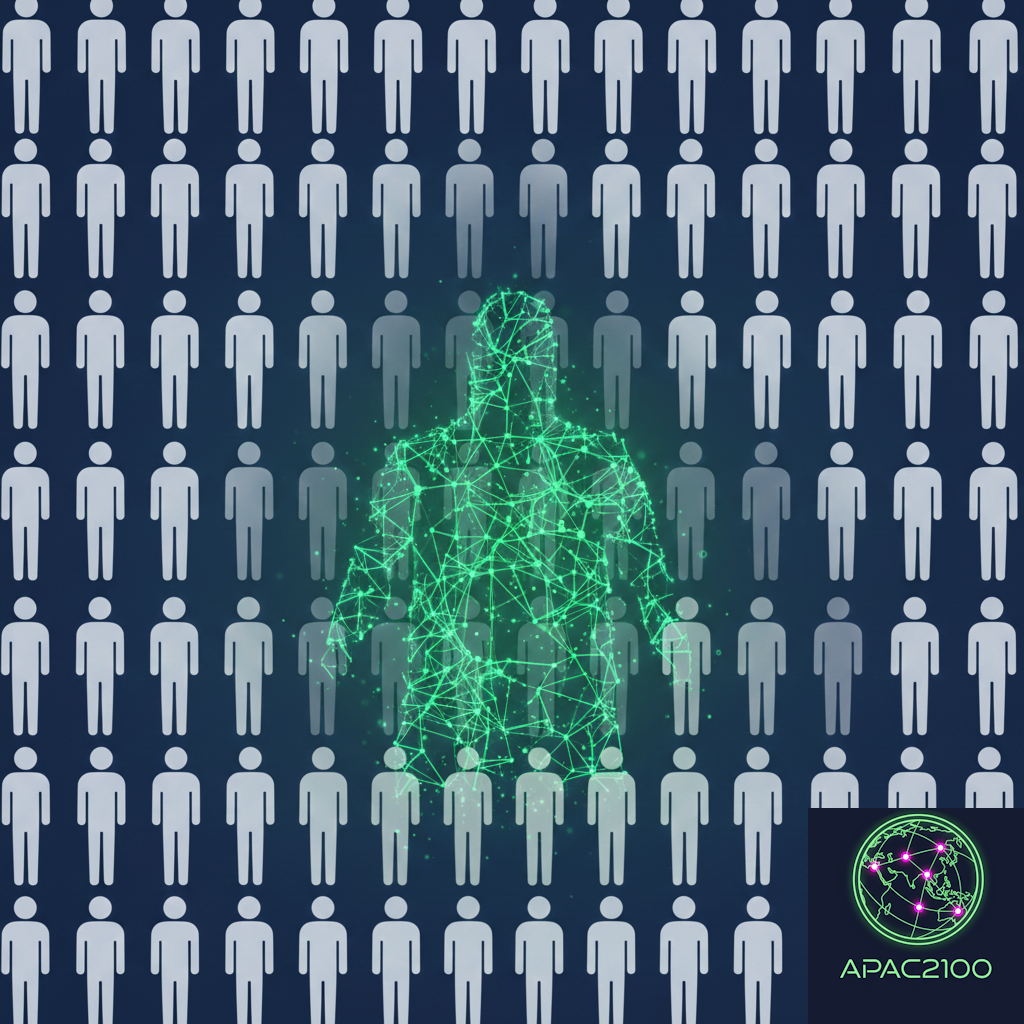
1. The Hollowing Out of the Middle: For decades, a safe career path in APAC has been to become a competent, experienced mid-level knowledge worker. The senior manager, the lead analyst, the seasoned marketer—these roles formed the backbone of the corporate world. AI augmentation is systematically making these roles redundant. Not by replacing them with a single robot, but by automating the 80% of their work that is routine, data-driven, and predictable. The “safe” jobs are now the most exposed. A company no longer needs five senior analysts; it needs one “AI Orchestrator” and a suite of AI tools.
2. The Rise of the “AI Orchestrator”: As the middle hollows out, a new elite class will emerge: the AI Orchestrator. These are not just people who are good at writing prompts. They are strategic thinkers who can:
- Integrate multiple, complex AI systems into a cohesive workflow.
- Translate high-level business objectives into effective AI-driven strategies.
- Validate and interpret AI outputs, identifying bias, hallucinations, and strategic flaws.
- Govern the ethical and operational use of AI across a division.
This creates a new, sharp talent divide. The premium won’t be on experience anymore; it will be on orchestration capability. The talent war will no longer be for experienced managers but for these rare, highly-skilled individuals who can command the AI orchestra.
The Third-Order Effect: The Tsunami of Socio-Economic Upheaval
The second-order effects within companies will, in turn, trigger massive third-order consequences across APAC societies. This is the “now what” that governments and educational systems are utterly unprepared for.
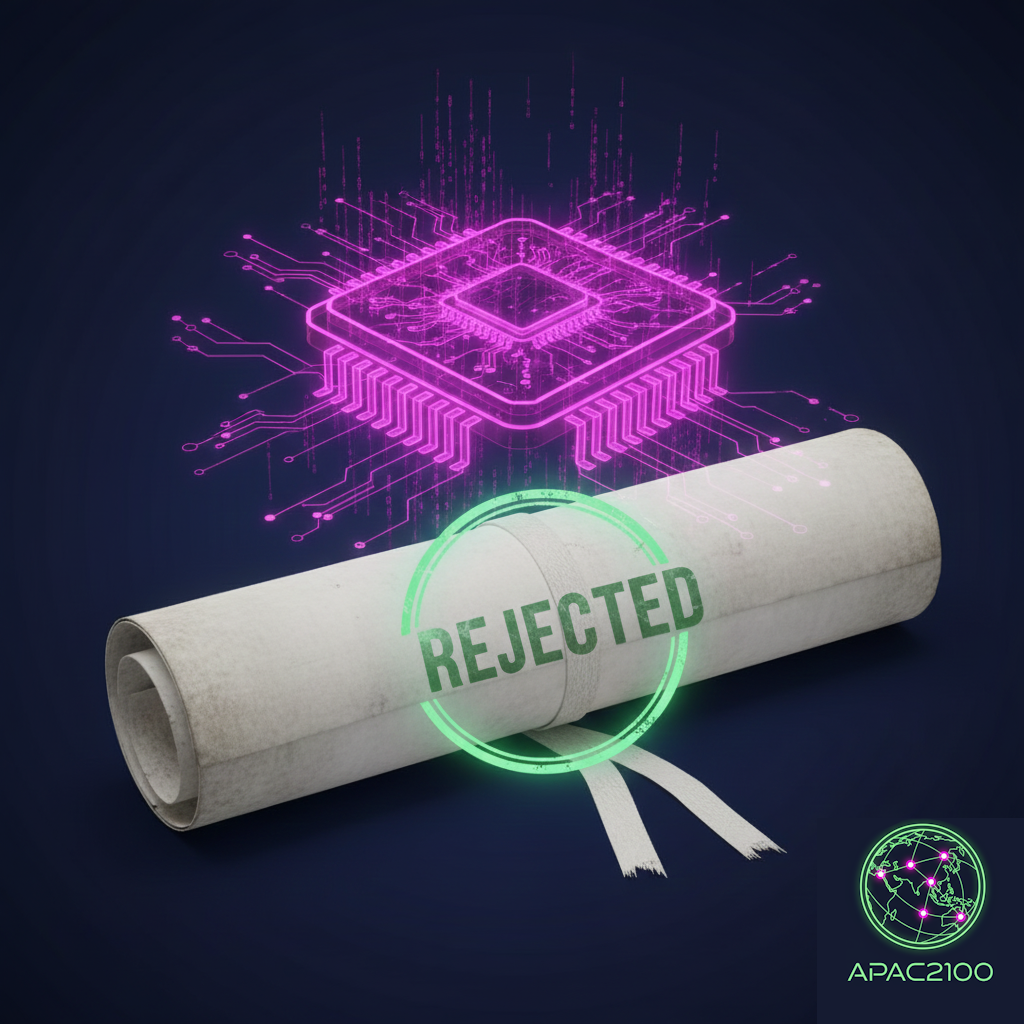
1. The Credential Collapse: The four-year university degree, long the primary vehicle for social mobility in APAC, will face a crisis of relevance. Why spend four years and a fortune on a business degree when a six-month intensive certification in AI orchestration offers a more direct path to a high-paying, future-proof career? This devaluation of traditional credentials will disrupt the entire education-to-employment pipeline.
2. The Mid-Career Reskilling Crisis: This is not a youth unemployment problem. It is a mid-career obsolescence crisis. Millions of competent, experienced professionals in their late 30s and 40s across the region will find their skills devalued. The challenge isn’t training new entrants; it’s massive, urgent reskilling of an existing workforce. Companies and governments that fail to create effective pathways for this transition will face not just talent shortages but social friction.
3. Regional Divergence and Instability: The impact will not be uniform. Nations with a large, educated middle class built on knowledge work (e.g., India, Philippines) may face greater disruption than those transitioning from manufacturing (e.g., Vietnam). This will create new economic pressures and potentially social instability in regions unprepared for the speed of this shift.
The Strategic Imperative: From Reaction to Foresight
Companies that only focus on the first-order effect will be blindsided. They will celebrate productivity gains while their talent pipeline collapses, their mid-level managers become disengaged, and they lose the war for AI Orchestrators. They will be reacting to crises they never saw coming.
This is the complexity and uncertainty that defines strategic planning in APAC today. The “Augmentation Cascade” is not an isolated model; it’s a repeatable pattern. The same logic applies to understanding the true impact of energy transition policies, new sustainability regulations, or digital trade agreements. The obvious consequence is never the most important one.
This is the foresight gap. Without a systematic approach, you’re either making linear predictions (which will fail) or drowning in complexity.

Stop Guessing. Start Systematizing Your Foresight.
Understanding the Augmentation Cascade is the first step. Acting on it is the next. To navigate these complex, multi-layered shifts across AI, energy, and sustainability, you need a repeatable methodology to see the second and third-order effects before your competitors.
We built the APAC Strategic Foresight System for exactly this reason. It provides the frameworks, scenario planning tools, and execution playbooks to move beyond simple predictions and build a truly resilient strategy for the future of APAC.
Don’t let your company be blindsided by the tsunami. Learn to see the cascade coming.
Coming Soon – the APAC Strategic Foresight System